
A low-maintenance yard isn’t a yard with no work. It’s one planned so the work is predictable and doesn’t pile up. In the Rochester area that means choosing plants that can handle cold winters, heavy clay soil, deer and road salt, and laying out the yard so mowing, trimming and weeding go quickly.
Start with the right plants for the spot
Most of the Rochester area falls in USDA hardiness zone 6, so pick plants rated for zone 5 or 6 and you’ll lose fewer over winter. Just as important is matching each plant to its location: how much sun it gets, whether the soil stays wet or dries out, and whether it’s near the road. A plant that likes its spot needs far less watering, spraying and replacing.
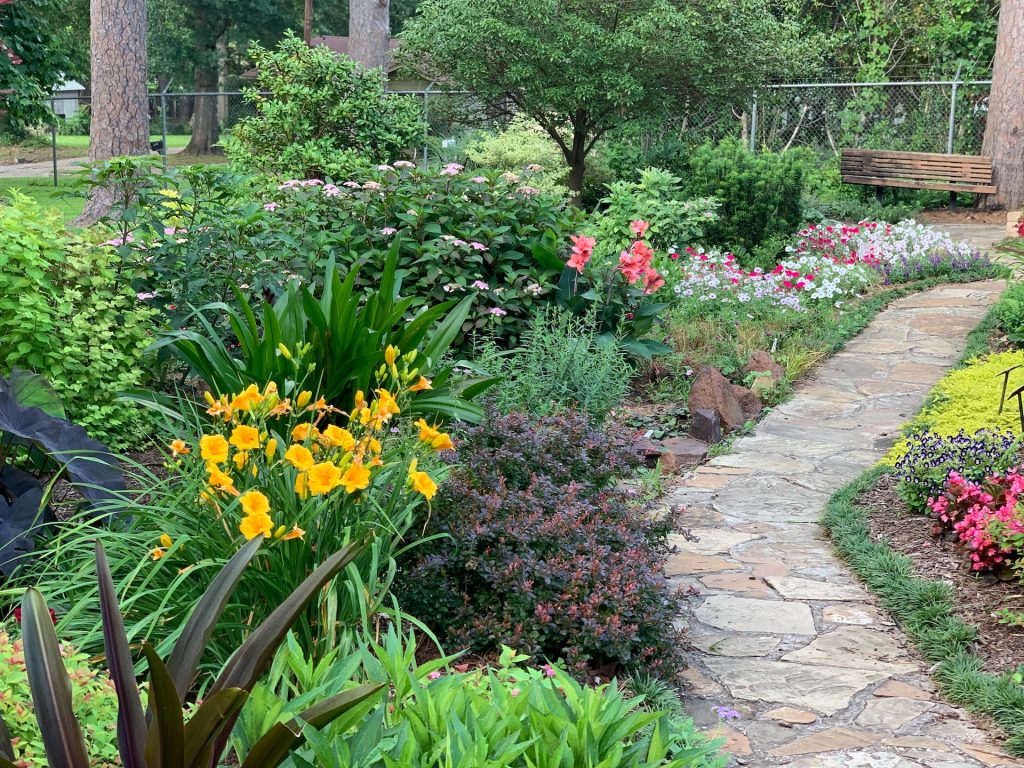
Native and well-adapted plants are a good starting point because they’re used to our weather. Some reliable, easygoing choices for Upstate New York:
- Perennials: purple coneflower, black-eyed Susan, New England aster, bee balm and catmint (not native, but tough and deer-resistant).
- Grasses: little bluestem and switchgrass, which hold up in winter and only need cutting back once a year.
- Shrubs: ninebark, winterberry holly, serviceberry and native viburnums.
If deer visit your yard, and in many Rochester suburbs they do, check a plant’s deer resistance before buying it. Hostas, arborvitae, yews and tulips tend to get eaten. For beds along the driveway or street, where plowed snow and salt pile up, choose salt-tolerant plants or keep that strip simple.
Design for easier upkeep
- Group plants by their needs. Put the plants that need extra water together so you’re not watering the whole bed for a few thirsty ones.
- Plant in masses. Larger groups of fewer kinds of plants look cleaner and are easier to care for than one of everything.
- Leave room to grow. Space shrubs for their full size so you’re not shearing them back every year.
- Use a clean bed edge. A crisp edge, or a steel or stone edging, keeps grass out of the beds and speeds up mowing and trimming.
- Cut down on lawn where it struggles. Steep slopes, deep shade and narrow strips are hard to mow and hard to keep green. Mulched beds, groundcovers or a planted slope can be less work there.
Mulch and soil
A 2 to 3 inch layer of shredded bark mulch holds moisture, keeps soil temperatures steady and cuts down weeds a lot. Keep it a few inches away from tree trunks and shrub stems; mulch piled against the bark causes rot and pests. Top it up about once a year instead of adding a deep new layer every spring.
A lot of yards around Rochester have heavy clay that drains slowly. Working compost into new beds improves drainage, and it’s worth choosing plants that tolerate clay rather than fighting it. If water sits in one area after every rain, fix the drainage first; no plant choice makes up for soggy roots.
Watering
New plants need regular watering for their first season while they root in. After that, most well-chosen plants only need help during long dry spells. Soaker hoses or drip irrigation put water right at the roots and waste less than sprinklers. If you already have an irrigation system, set it to water deeply and less often, and add a rain sensor so it doesn’t run during a storm.
A simple yearly routine
- Spring: cut back grasses and old perennial stems, edge beds, top up mulch.
- Summer: pull weeds while they’re small, mow high, water new plantings.
- Fall: clear leaves off the lawn, divide crowded perennials, plant new shrubs and trees while the soil is still warm.
- Winter: leave seed heads and grasses standing for winter interest and birds, and keep plowed snow off your beds where possible.
If you’d rather not do the heavy lifting, Elite Property Care can help with planting and bed care, irrigation and drainage, and regular property maintenance across Greater Rochester.
Need a hand? Call 585.721.2471 or get a free quote.