A lawn is usually the biggest single part of a property, and it’s the first thing people notice when they pull up. But a healthy lawn does more than look nice. It does real work for your property, and a thin, struggling one causes problems that go beyond appearance.
What a healthy lawn does for your property
- Curb appeal. A thick, even lawn makes the whole property look cared for. It matters for homeowners thinking about selling and for businesses whose customers judge them from the parking lot.
- Controls runoff and erosion. Dense grass and its roots slow rainwater down, let more of it soak in and hold soil in place. Thin turf and bare soil let water run off, carrying soil and fertilizer into the storm drains and eventually local creeks and Lake Ontario.
- Stays cooler. Grass is noticeably cooler than pavement or bare dirt on a hot day.
- Crowds out weeds. Weeds move into thin spots. A thick lawn is the best weed control there is.
- Less mud and dust. Healthy turf means less mud tracked inside in spring and less dust in summer.
- A place to use. A lawn that holds up to kids, pets and foot traffic is part of what makes a yard usable.
What makes lawns struggle around Rochester
- Heavy clay and compaction. A lot of local soils are heavy clay, which packs down easily, drains slowly and makes it hard for roots to grow. Core aeration helps.
- Road salt and plow damage. Grass along driveways, sidewalks and streets takes a beating every winter. Brown, dead strips along pavement in spring are usually salt damage.
- Snow mold. Gray or pinkish matted patches after the snow melts come from fungi that grow under long-lasting snow cover. A light raking usually lets them recover.
- Summer dry spells. Cool-season grass goes dormant in heat and drought. It usually recovers, but a lawn that’s already thin can lose ground.
- Grubs. Japanese beetle and European chafer grubs feed on roots, and damage shows up in late summer and fall.
The basics of a healthy lawn
- Mow high. Keep it around 3 to 3.5 inches, don’t cut off more than a third at once, and leave the clippings.
- Water deeply and less often. About an inch a week, rain included, in the early morning.
- Feed in the fall. Fall is the most important time to fertilize cool-season grass. Use phosphorus-free fertilizer unless a soil test says otherwise, as New York law requires, and keep it off pavement.
- Seed in late summer. Overseeding thin areas between mid-August and mid-September is the best way to thicken a lawn.
- Aerate compacted soil. Core aeration in late summer or early fall pairs well with overseeding.
- Clean up in spring and fall. Rake out matted grass and debris in spring and don’t let leaves sit on the lawn over winter.
- Repair the salt strip. In spring, give salt-damaged areas along pavement a good soaking to flush the salt, then reseed. A salt-tolerant grass mix helps in the worst spots.
Lawn care and snow removal go together
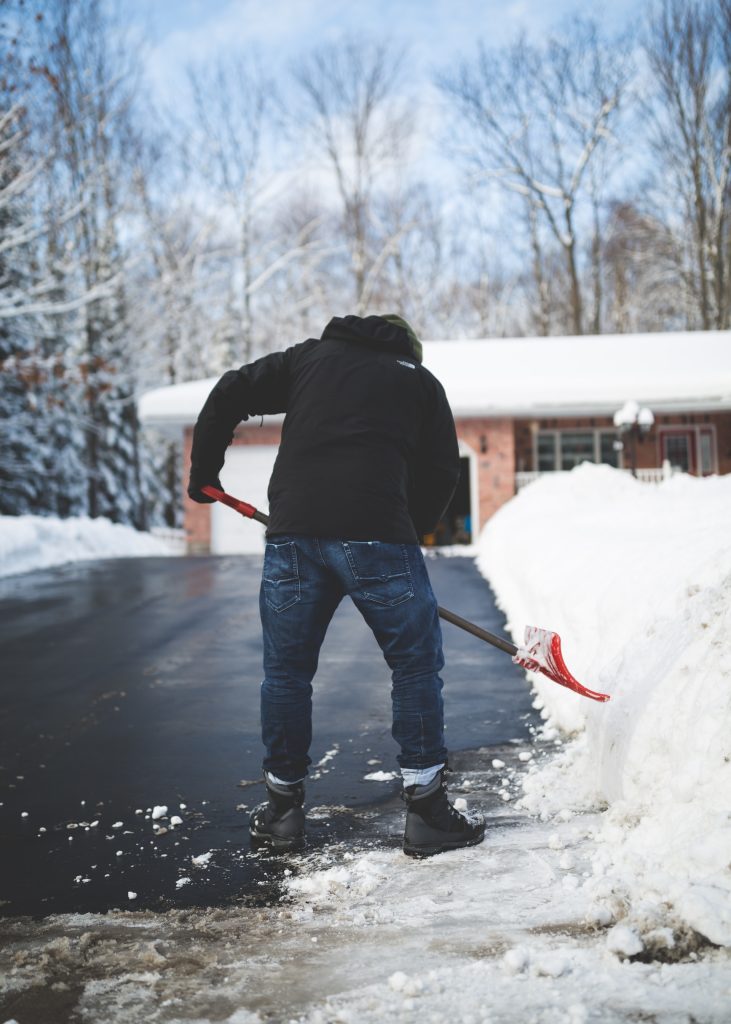
A lot of lawn damage in our area happens in winter: plow blades scraping turf, snow piled on the same corner every storm, and salt spread past the edge of the pavement. Marking driveway edges before the ground freezes, piling snow in the same sensible spots, and not overdoing ice melt all protect your lawn. It’s one reason many property owners like having the same company handle both lawn care and snow removal.
Elite Property Care provides lawn mowing and landscaping and snow plowing for homes and businesses in Greater Rochester, with a free consultation to look at what your lawn needs.
Need a hand? Call 585.721.2471 or get a free quote.